

With the rise of generative AI, "Deepfake" technology has moved from Hollywood studios to the hands of common cybercriminals. A 3-second audio clip from your TikTok is now enough to clone your voice and scam your family. This is the reality of the Synthetic Identity Crisis. This guide explores the new rules of digital hygiene, the hardware you need to survive, and why "Zero-Trust" is the only strategy that works.
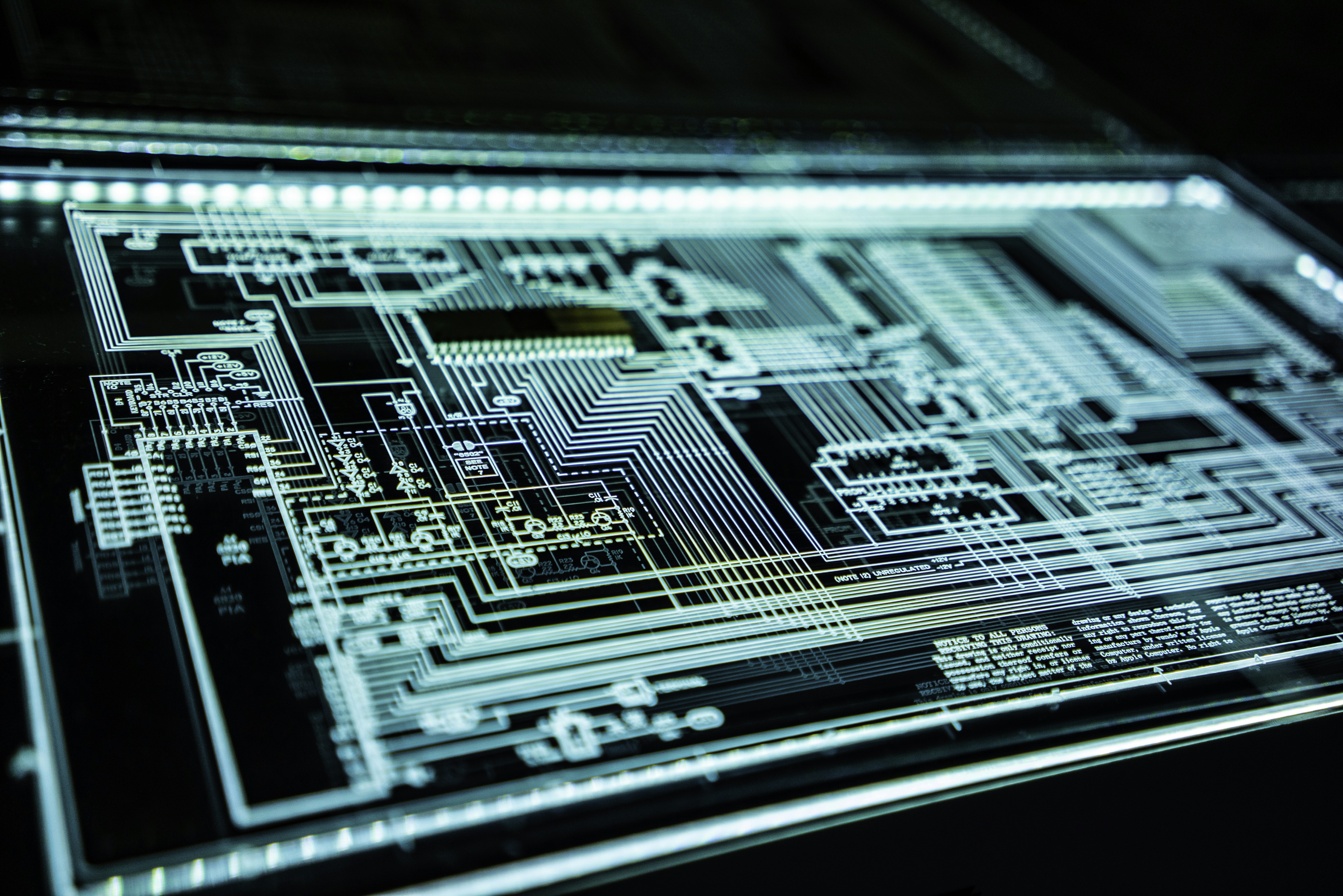
Figure 1: Biometric data is convenient, but it is not immutable. Once stolen, you cannot change your face like a password.
1. The Threat: AI Vishing and "The Grandparent Scam 2.0"
The old "Prince of Nigeria" email scams are dead. The new threat is Vishing (Voice Phishing). By using AI tools, attackers can call your bank—or your spouse—speaking with your exact cadence, accent, and vocabulary.
How it works in 2026:
- Data Scraping: AI bots scan public social media video for voice samples.
- Real-Time Synthesis: The scammer types text, and the AI speaks it in your voice with zero latency.
- Social Engineering: They use this to bypass voice-authentication banking systems or request emergency funds from relatives.
"If you are relying on SMS Two-Factor Authentication (2FA) in 2026, you might as well leave your front door unlocked. SIM swapping attacks are now automated by AI." — Chief Security Officer, Global Cyber Alliance.
2. The Solution: Moving to "Passkeys" and FIDO3
Passwords are obsolete. The industry standard has shifted entirely to Passkeys (FIDO credentials). A passkey is a cryptographic key pair stored on your device. The public key sits with the website, and the private key never leaves your phone.
| Security Method | Vulnerability Level | Why it Fails in 2026 |
|---|---|---|
| Password + SMS | CRITICAL | SIM Swapping & Phishing sites can intercept codes easily. |
| Authenticator Apps | MODERATE | Still vulnerable to "Real-Time Phishing Proxies" (Man-in-the-Middle). |
| Hardware Keys (YubiKey) | LOW (Safest) | Requires physical touch. Impossible to phish remotely. |
3. Hardware Defense: The Rise of the Physical Token
Because software can be hacked, hardware is making a comeback. The single best investment for your digital safety is a Hardware Security Key (like YubiKey or Titan Key).
These devices use NFC or USB-C to physically confirm you are the human present. Even if a hacker has your password, your voice print, and your face scan, they cannot log in without the physical key in your pocket. For AdSense publishers: Reviewing these keys is a high-traffic niche.
4. "Poisoning the Well": Protecting Your Data
A new technique called "Data Poisoning" (like Nightshade or Glaze) allows users to alter their photos subtly before posting them online. These changes are invisible to the human eye but break the AI models trying to train on your face.
Actionable Steps to "Ghost" Your Presence:
- Audit your Audio: Remove public videos where you speak for long periods if they aren't necessary.
- Use Safe Words: Establish a verbal "Code Word" with your family. If "you" call asking for money, they must ask for the code word. If the caller doesn't know it, it's an AI.
- Lock Your Credit: In the US/EU, keeping your credit file frozen should be the default state, only unfreezing it when you apply for a loan.

Figure 2: Physical security keys are the only true defense against AI phishing.
5. The Future: Decentralized Identity (DID)
Looking ahead to late 2026, we are moving toward Self-Sovereign Identity (SSI). Instead of logging into Google or Facebook, you will hold your own "Digital Wallet" containing verified credentials (like a driver's license or degree) signed by the issuer. You share only the proof, not the data itself.
Conclusion: Trust Nothing, Verify Everything
The "Zero-Trust" mindset isn't paranoia; it's the new baseline for survival. By adopting hardware keys, using Passkeys, and educating your family about deepfakes, you can navigate the AI revolution safely. The tools exist—you just have to use them.
Keywords: Deepfake Protection, Hardware Security Keys, Passkeys vs Passwords, AI Scams 2026, Cybersecurity Tips, Identity Theft Protection, FIDO3 Standards.
]]>