

We are no longer using technology to access information; we are using technology to execute tasks. This shift from "reading" to "doing" is powered by Large Action Models (LAMs), and it changes everything about how we use the internet, how we work, and how creators make money online. This comprehensive guide explores the technical architecture, the economic impact, and the privacy paradox of the Agentic Web.

Figure 1: Visualizing the shift from icon-based interfaces to intent-based execution.
1. The Evolution: From Chatbots to "Do-Bots"
In 2023, we were amazed that an AI could write a poem. In 2026, we are bored if an AI cannot book a flight, negotiate a refund with a vendor, and update our calendar simultaneously. This is the difference between a Large Language Model (LLM) and a Large Action Model (LAM).
Defining the LAM Architecture
While LLMs predict the next word in a sentence, LAMs predict the next action in a user interface. They are trained not just on text, but on user interactions—clicks, scrolls, swipes, and API calls.
- Perception Layer: The AI "sees" the screen just like a human does.
- Reasoning Layer: It formulates a plan (e.g., "I need to open the travel app, find the dates, and compare prices").
- Execution Layer: It triggers the buttons or backend code to finalize the transaction.
"The smartphone of the future won't have apps. It will just have one interface that learns what you need and generates the tool to do it on the fly." — CEO of Neural-Interface Tech, 2026 Keynote.
2. Why the "App Store" Model is Dying
The friction of modern digital life has become unbearable. To order a pizza, book a ride, and choose a movie, a user previously had to open three different apps, create three accounts, and navigate three different UI designs. Agents flatten this into a single command: "Get me a pepperoni pizza, a ride to Mark's house, and queue up the new sci-fi movie."
| Feature | App Economy (2010-2024) | Agent Economy (2026+) |
|---|---|---|
| User Interface | Fixed Menus & Icons | Conversational & Fluid |
| Monetization | Subscriptions/Ads per App | Outcome-based Fees |
| Data Storage | Siloed in Apps | Unified Personal Context |
3. The Hardware Renaissance: No Screens, Just Sensors
The rise of agents has triggered a massive change in hardware sales. We are seeing a decline in traditional rectangular smartphones and a surge in Ambient Computing devices.
The "Pin" and "Ear" Revolution
Devices like the AI Pin and advanced hearables have matured. Because you no longer need to "look" at an app to use it, screens are becoming secondary. The high-value keywords here for tech enthusiasts are "holographic projection latency" and "bone-conduction AI assistants." These devices rely entirely on voice and gesture, requiring sophisticated edge processing to interpret intent without cloud lag.
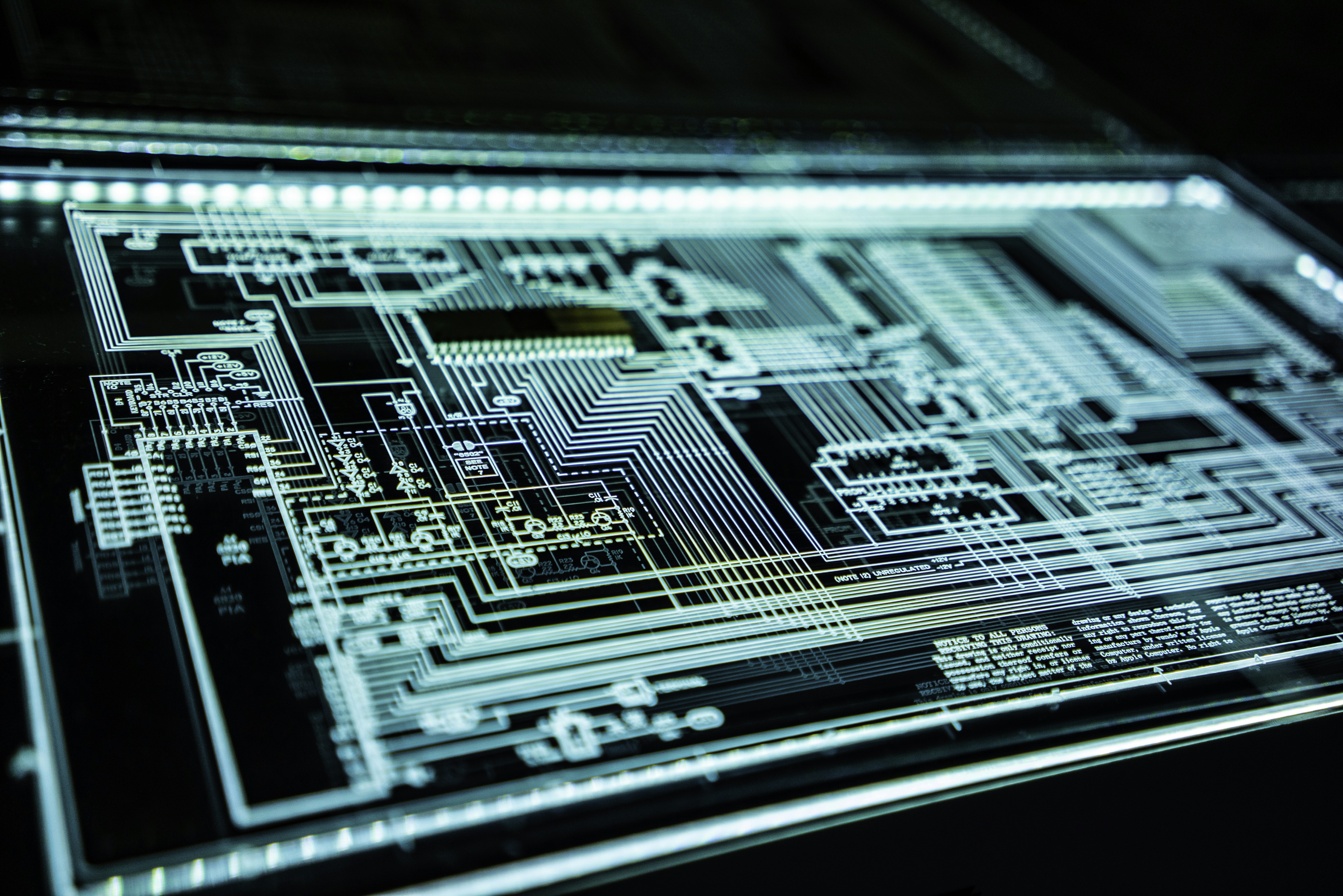
Figure 2: The challenge of securing authorized agent access.
4. The Privacy Paradox: Giving AI the Keys to Your Life
This convenience comes at a terrifying cost: Access. For an Agent to book your flight, it needs your credit card. To message your friends, it needs your history. To manage your health, it needs your biometric data.
Zero-Trust Architecture is the new standard. In 2026, the most successful tech blogs are discussing "Local-First AI." This means the Agent lives on your device's NPU (Neural Processing Unit), and your data never leaves your phone. Cloud processing is only used for non-sensitive public data. If you are reviewing tech in 2026, you must focus on the Privacy Sandbox settings of these agents.
5. SEO & Monetization: How Creators Survive
If users aren't searching on Google but asking their Agent, how do bloggers survive? The answer is "Agent Optimization" (AEO).
Instead of optimizing for clicks, creators are now optimizing to be the source of truth that the Agent cites. Content must be:
- Highly Structured: Use Schema markup everywhere.
- Fact-Dense: Fluff is ignored by AI; data is treasured.
- Authority Driven: Opinions matter less; verified tests matter more.
Conclusion: The Silent Revolution
The transition to the Agentic Web is not loud. It is happening in the background code of our devices. By the end of 2026, the concept of "opening an app" will feel as archaic as "dialing up" to the internet felt in 2005. For developers, investors, and users, the message is clear: Adapt to automation, or become obsolete.
Keywords: Large Action Models, AI Agents 2026, Future of Smartphones, Agent Optimization, Tech Trends 2026, NPU performance, Privacy Sandbox.
]]>